1. Understand the concept of cloud space and game servers
Before starting configuration, you must first understand the basic concepts of cloud space and game servers. Cloud space is a cloud computing-based resource management method that can provide efficient and flexible services. The game server is a dedicated server that supports online games and can carry the online game needs of a large number of players.In Taiwan, choosing the right cloud space provider is crucial. You need to consider the location of the server, latency, bandwidth, hot backup and other factors to ensure the smoothness of the gaming experience.
2. Choose the right cloud service provider
Choosing a reliable cloud service provider is the key to success. There are many well-known cloud service providers in Taiwan, such as Huawei Cloud, Alibaba Cloud, Tencent Cloud, etc.
When choosing, you can consider the following steps:
- Compare different providers’ service packages and check their price, bandwidth, storage space and other configurations.
- Check user reviews to learn about other users’ experiences.
- Contact customer service and consult the response speed of technical support and after-sales service.
3. Select the appropriate server configuration
The configuration of the server directly affects the performance of the game. Here are some recommended configuration solutions:
- CPU: Choose a CPU with at least quad-core, and it is recommended to use Intel Xeon or AMD Ryzen series.
- Memory: At least 8GB of memory, 16GB is recommended to support concurrent access for more players.
- Storage: Using an SSD hard drive can improve the loading speed of the game, and it is recommended to have at least 512GB.
- Bandwidth: Choose a bandwidth of at least 100Mbps to ensure smooth game operation.
4. Install the game server software
After selecting a server, you need to install the game server software next. Here are the basic installation steps:
- Log in to your cloud server control panel and make sure you have root permissions.
- Update the system: Use the commands
sudo apt-get updateandsudo apt-get upgradeto update the system. - Install the necessary dependency software: for example, install Java, MySQL, etc., and use the command
sudo apt-get install openjdk-11-jdk mysql-server. - Download and install the game server software, the specific steps vary according to the selected game type.
5. Configure the game server
After the installation is complete, the next step is to configure the game server:
- According to the needs of the game, modify the configuration file, such as the
server.propertiesfile, set the server name, the maximum number of players, etc. - Configure the firewall to ensure that the game port (such as 25565) is open, and use
ufw allow 25565command. - Start the game server and start the server using the command
java -Xmx1024M -Xms1024M -jar server.jar nogui.
6. Monitor and optimize server performance
After the game server is started, its performance needs to be monitored regularly. You can use some monitoring tools, such as Nagios, Zabbix, etc., to perform real-time monitoring.For performance optimization, consider:
- Optimize database queries to reduce latency.
- Clean useless data regularly and free up storage space.
- Adjust the server configuration in time according to player feedback.
7. FAQ
Question 1: How to choose the right gaming server software?
Answer: Choosing the right game server software mainly depends on the type of game you want to run. For example, Minecraft, CS:GO, etc. Each game has specific server software. It is recommended to check relevant documents and user reviews and choose the version that best meets your needs.
Question 2: How to deal with player delay issues?
Answer: If the player's feedback latency is high, you can try the following methods: check whether the network bandwidth is sufficient, optimize the server configuration, select a server closer to the player's geographical location, etc. In addition, using CDN (Content Distribution Network) can also effectively reduce latency.
Question 3: How to ensure the security of the server?
Answer: There are many ways to ensure the security of the server: regular update of software, use strong passwords, enable firewalls, regularly backup data, etc. At the same time, monitor abnormal activities and promptly deal with potential security threats.
- Latest articles
- The Practical Value Of South Korea’s Unlimited Content Cloud Server In Terms Of Overseas Communication Efficiency In The Media Distribution Scenario
- How Does The 255 Ip Korean Website Server Combine With Cdn To Improve The Page Loading Experience?
- From The Perspective Of Maintenance And Operation, Which Singapore Cloud Server Is The Best, Including Monitoring And Alarm Design
- Xiaomi 4 Japan Serverless Problems Encountered By Overseas Users Returning To China And Their Solutions
- Analysis Of Advantages Of Cn2 Computer Room In Los Angeles, Usa And Practice Of Cross-border Access Acceleration
- Taiwan Website Group Ip Allocation Strategy And Traffic Source Optimization Techniques In Actual Website Group Marketing
- Candy Host Us Cloud Server’s Product Features And Suitable Objects Are A One-stop Shopping Reference.
- Practical Exercises Improve The Effectiveness Of The Team’s Preventive Measures Against Hong Kong’s High-defense Servers
- Interactive Practical Guide For Compliance Consultation And Tax Question Answering For Japanese Website Sellers
- How To Bind Accounts And Retain Progress After Logging In To The Lol Mobile Game Singapore Server?
- Popular tags
-
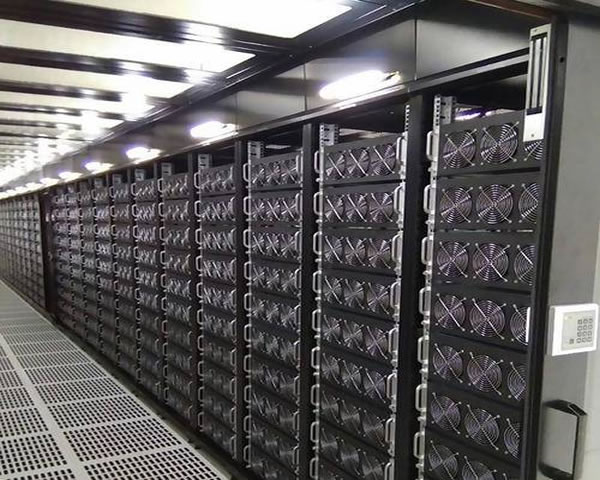
Choose Taiwan Vps Server Dedicated To Improve Your Website Speed
choose a dedicated taiwan vps server to improve your website speed, learn about server configuration, technical details and real cases. -
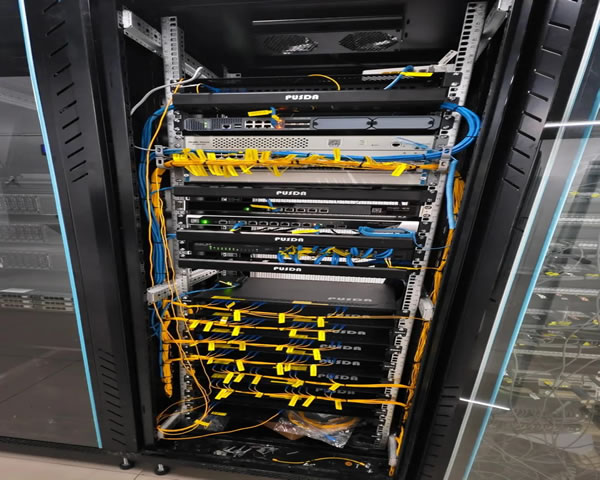
Taiwan Lightweight Cloud Server Usage Guide And Best Practices
this guide will explore the usage methods and best practices of lightweight cloud servers in taiwan to help users effectively utilize cloud services. -

Taiwan Vps Proxy Service Analysis Lets You Know More About Network Acceleration
an in-depth analysis of taiwan vps agency services will help you better understand the principles and advantages of network acceleration, and recommend the high-quality services of dexun telecommunications.